
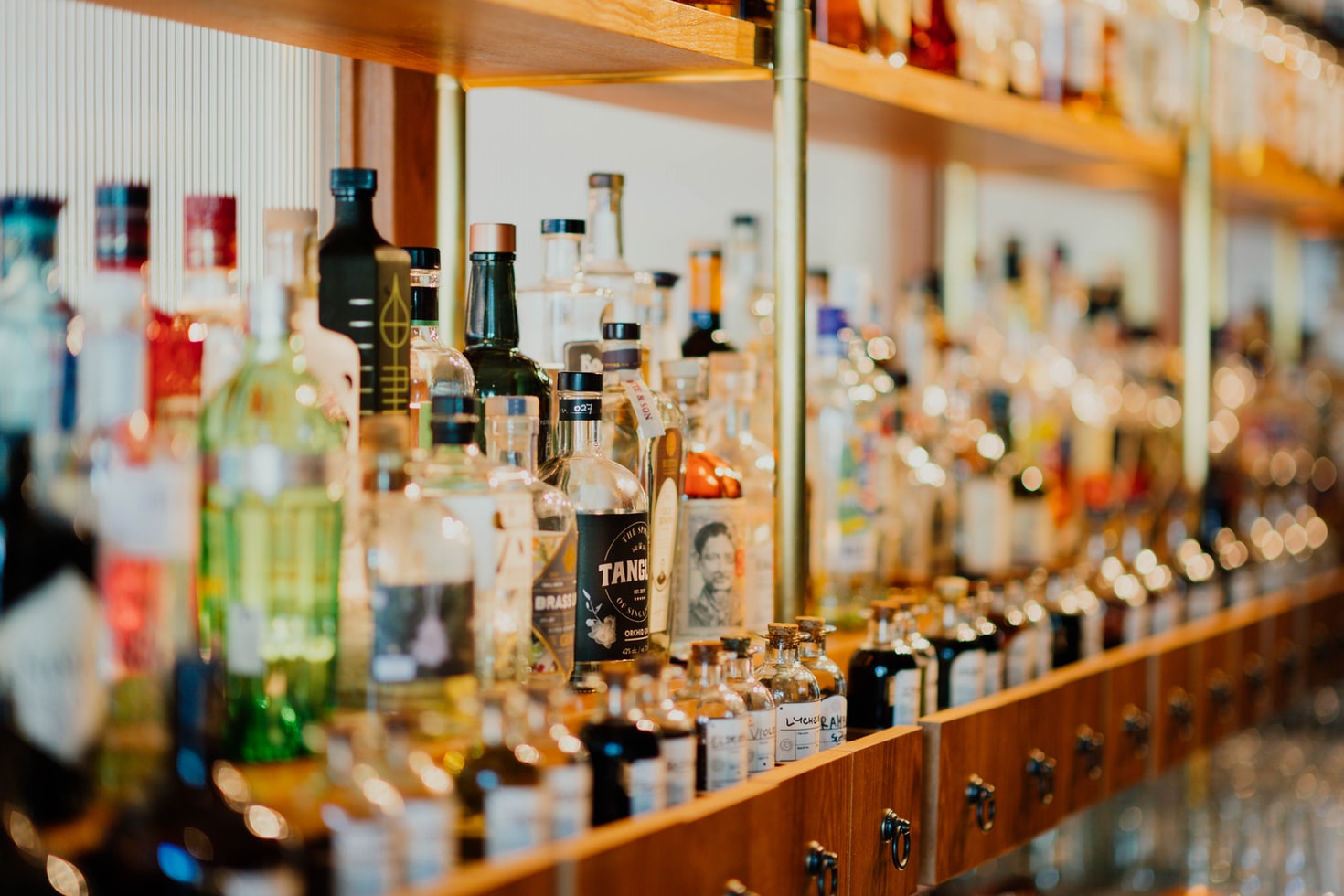
After referendum victories Tuesday night, councils in Baldwin, Clarkesville, Cornelia and possibly Alto as well will have the chance to allow the sale of distilled spirits, breaking Mt. Airy’s longtime stranglehold on liquor sales in the county.
Clarkesville passed the measure with 153 out of 219 votes cast (69.9 percent), while Baldwin passed the referendum with a 39-15 margin with no contested races on their city ballot. Cornelia passed it 140-51 (73 percent).
Alto is still up in the air until 12 provisional ballots can be certified, as the yes votes won just 13-7 among the 20 interested voters. The certification announcement is expected at 4 p.m. Friday.
The city councils in the towns that passed the referendum can now authorize liquor and package stores to be permitted within the city limits, should they desire it.
Mt. Airy has allowed liquor sales for more than four decades and has been the only municipality to date to do so.
Mt. Airy charges a local excise tax on alcohol sales, and the school system claims a tax on the sales as well.
Town Manager Tim Jarrell said the opening up of new areas for liquor stores will have an impact on Mt. Airy’s budget going forward.
“I think this comes at a good time for us to open discussions about the planning for a prosperous future for Mt. Airy,” Jarrell said. “With an uncertain economy, any potential loss of revenue is troubling.”
Jarrell said the alcohol excise tax has served to help keep the millage rate in Mt. Airy among the lowest in the county.
“But we don’t provide services at the same level as some of the other municipalities here,” Jarrell said. “I don’t see the tax helping some of those cities lower their millage as much as it will provide convenience for the purchaser.”
Jarrell said that the yes votes on alcohol sales are a sign of progressivism in the community.
“There was a certain light in which our town has been portrayed by some over the years because we have allowed those sales while others did not,” Jarrell said. “A lot of the counties back in the day around us were dry, but now we see other cities making this move, so it shows times are changing.”