
By Dr. Doris Davenport
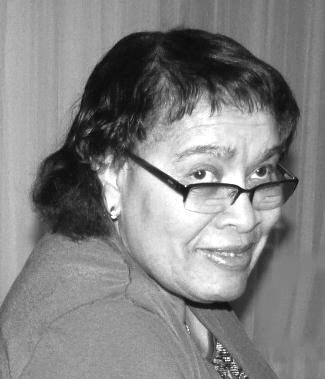
Mrs. Doris Phillips Brown, CRHS Reunion 2017
This article, the third of four, is based on materials in the 20 exhibition panels of the Regional African American Museum (RAAM) and the recent publication by the Habersham Historical Society (HCHS), Habersham200: New Thoughts of Old Things (A Brief History 1818-2018). The information is from Section III, “African American Communities of Habersham County.” Used with permission, including the photos. Additionally, ongoing coverage of RAAM’s evolution and related materials can be found in the archives of this newspaper.
“I could not stand your favorite teacher,” an old friend texted me, after reading the previous article. She claimed that I made our CRHS teachers out to be “saints,” which was “emphatikly” not true, she said, choosing to be anonymous.
Because we were such a close-knit community, my friend (who has not talked to me in years) could “call me out.” Just for the record, sainthood is not the goal. The goal is to acknowledge ongoing contributions and lineage of CRHS (and similar schools in contiguous towns) and the communities it served: the first-class education we received (from second-hand books, white school discards); the creativity of our daily existence, and the long-term influence of friendships and extended families, including people that we “cannot stand.”
(That phrase means something like intense, obsessive dislike akin to hatred. Gears-grinding person. Fingernails scraped on blackboard – if you know what that’s like. And so on.)
The intention is to acknowledge various aspects of our intermingled history, including education, art, music; ongoing success stories, “firsts,” and “ever mores.”
For example, Stephens County/Toccoa is included in the RAAM logo, although it had its own Whitman Street School with its legendary marching band. At CRHS, we were as proud of that band as if it were ours (it was). Then too, Toccoa has another source of fame that we all “claimed” in James Brown, the Godfather of Soul.
Brown grew up in Toccoa and started his first two bands there; his influence on local musicians, singers and dancers is immeasurable. Additionally, he often visited Miss Sally’s Cafe, on Soque Street in Cornelia. In an “extended community” before the concept was popular, we shared, and learned from each other, including Gainesville (E.E. Butler High School), especially how to dance. But we all had bragging rights to James Brown, just as – at CRHS – we had “rights” to our Home Economics teacher, Mrs. Doris Phillips Brown (no kin to James) now in her 80‘s, long retired and living in Jefferson, who returned to the 2017 Reunion. One of her innovations? She even taught the boys how to sew!
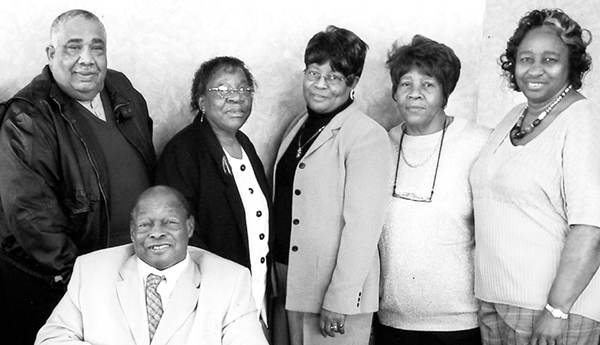
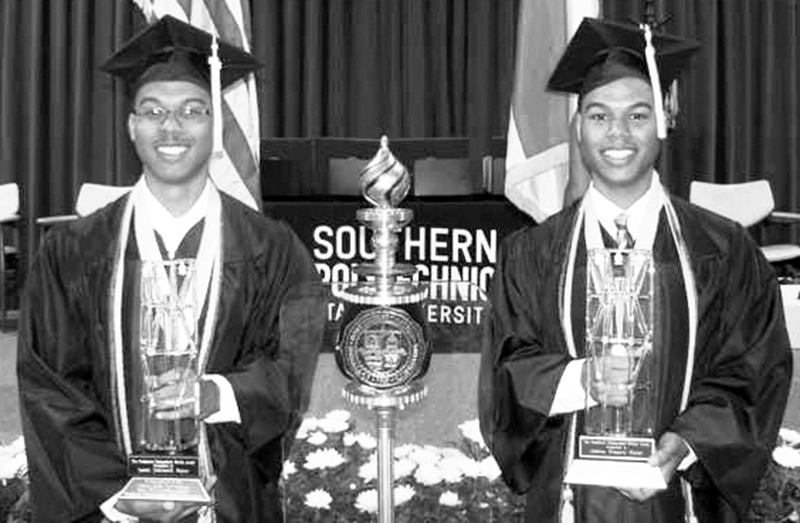
In 2008, the CRHS class of 1958 assembled for their 50th Reunion Anniversary. Earl Gober – Miss Betty’s husband – was a member of that class, and the lineage continues in their twin grandsons, Joshua and Isaiah Gober who are both PHD’s and research chemists now.
To be continued ...
The Regional African American Museum, at the J.P. Ballard Center at 353 Chattahoochee Street in Cornelia, along with the Habersham County Historical Society, Inc. The Museum is open every Saturday in February from 10 a.m. to 2 p.m. and we currently need volunteers interested in becoming board members. If you’re interested in keeping this effort alive, please consider volunteering as a board member. For details, call Audrey Davenport, 404-271-2468.